Knowledge & updates
Understand health. Prepare decisions with confidence.
Clear guidance on prevention, diagnosis and treatment, with medical context and links to professional sources.
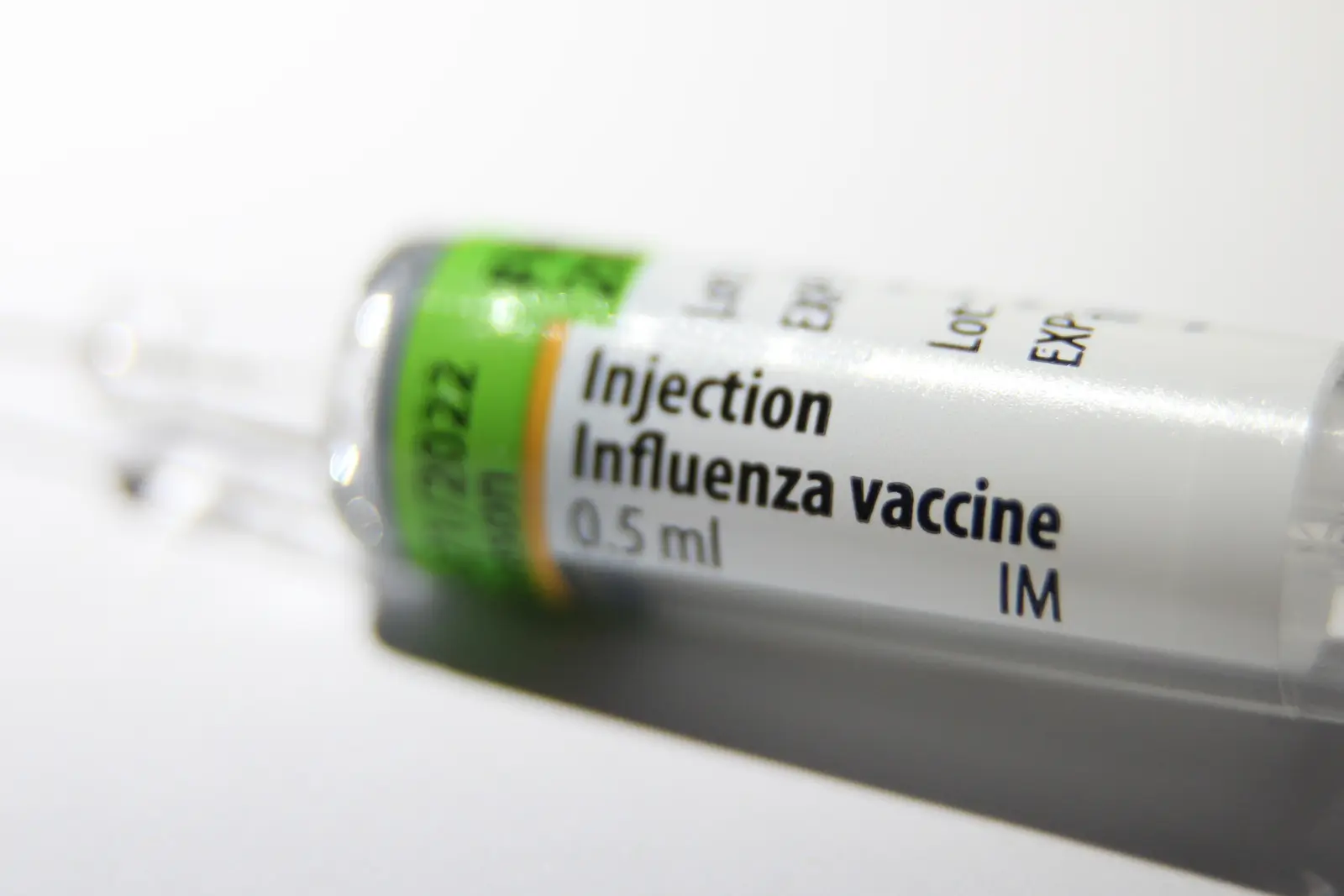
Flu vaccination: who should receive it
Seasonal vaccination is aimed especially at people with a higher risk of complications. Age, underlying conditions, pregnancy and occupational exposure all matter.
Learn more
Proton therapy: precise, but not automatically better
Protons can reduce the dose beyond a tumour. Whether that creates a meaningful benefit depends on tumour type, location, age and the treatment goal.
Learn more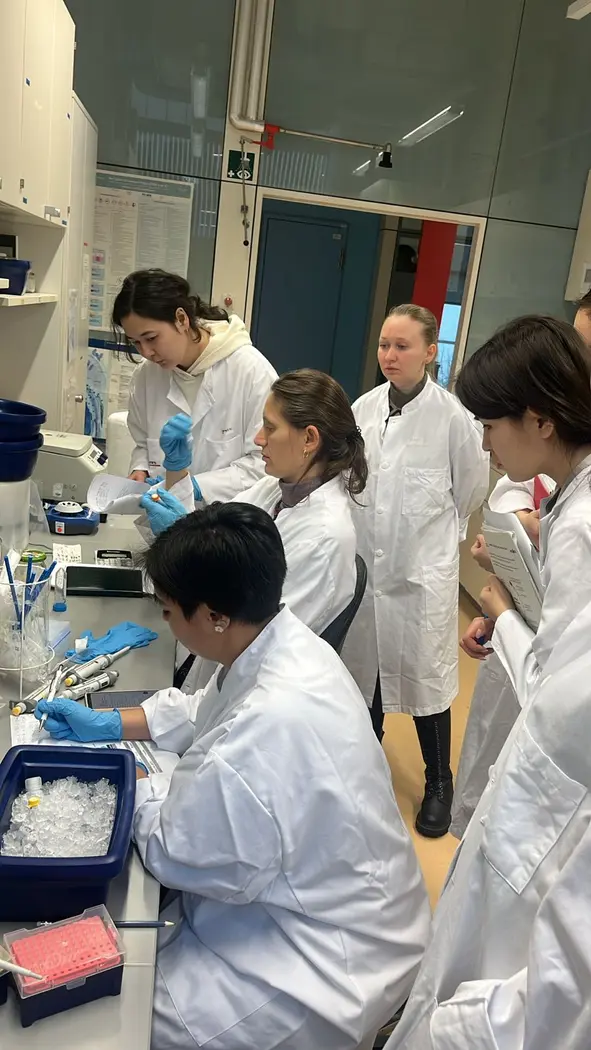
GM food: what EU rules require
Authorised GM foods are assessed before market access and are subject to labelling and traceability rules. The specific product, not a slogan, is what is evaluated.
Learn more
Medicine safety: lawful supply rather than origin myths
Quality depends on authorisation, manufacturing, storage and a controlled supply chain. Country of origin alone is not a reliable safety marker.
Learn more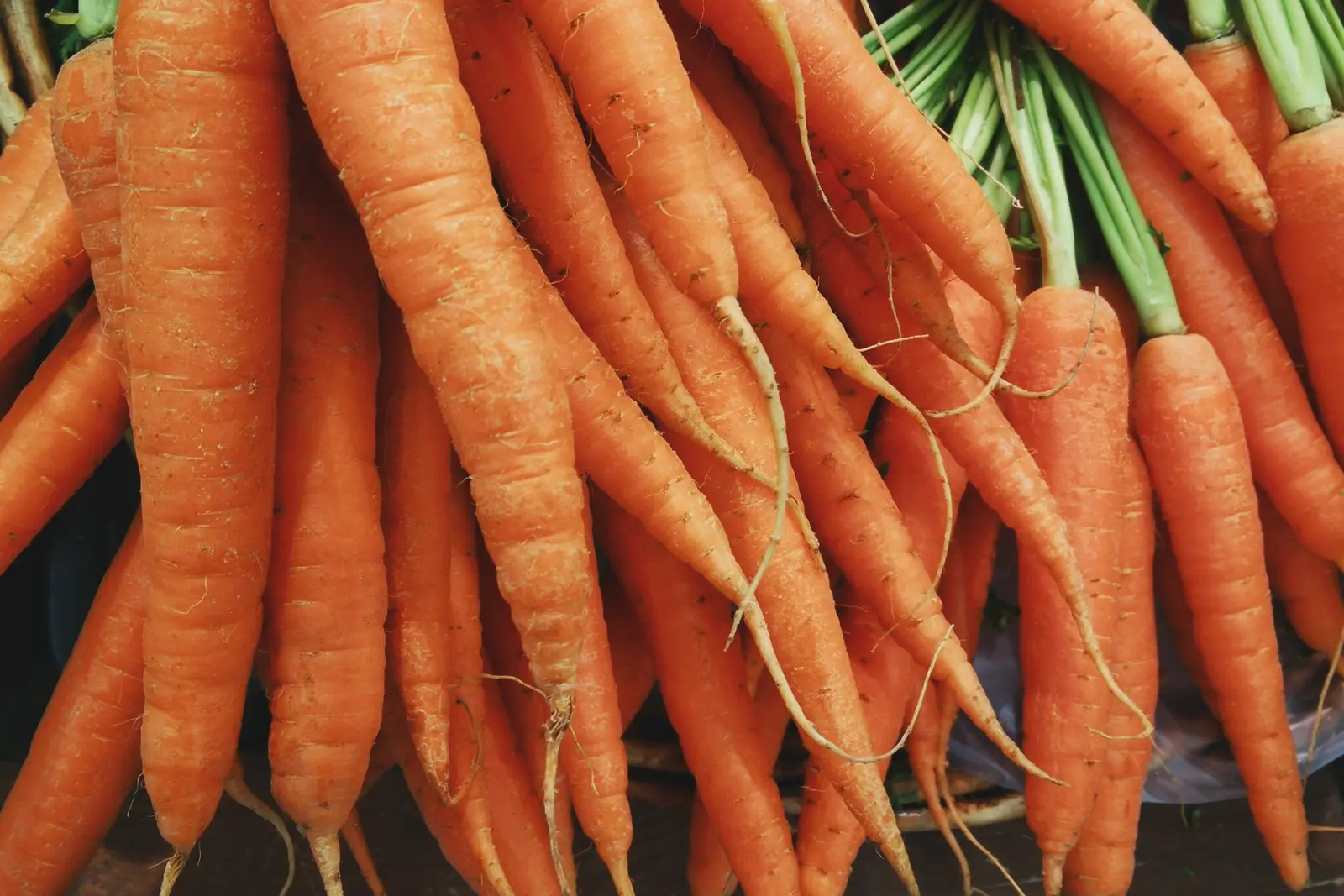
Organic food: what the EU logo really means
The EU organic logo confirms controlled production and processing rules. It does not prove that every product is more nutritious or automatically healthier.
Learn more
Tea, caffeine and wellbeing
Tea can fit well into daily life. Effects and tolerance depend on variety, preparation, total caffeine intake and individual sensitivity.
Learn more
Rheumatoid arthritis: early assessment protects function
Persistent joint swelling and prolonged morning stiffness warrant early rheumatology assessment. Diagnosis combines several findings rather than one test result.
Learn more
Complementary medicine: complement, do not replace
Complementary approaches may relieve symptoms in selected situations. Realistic goals, product quality and protection from interactions or treatment delays are essential.
Learn more