Count caffeine from every source
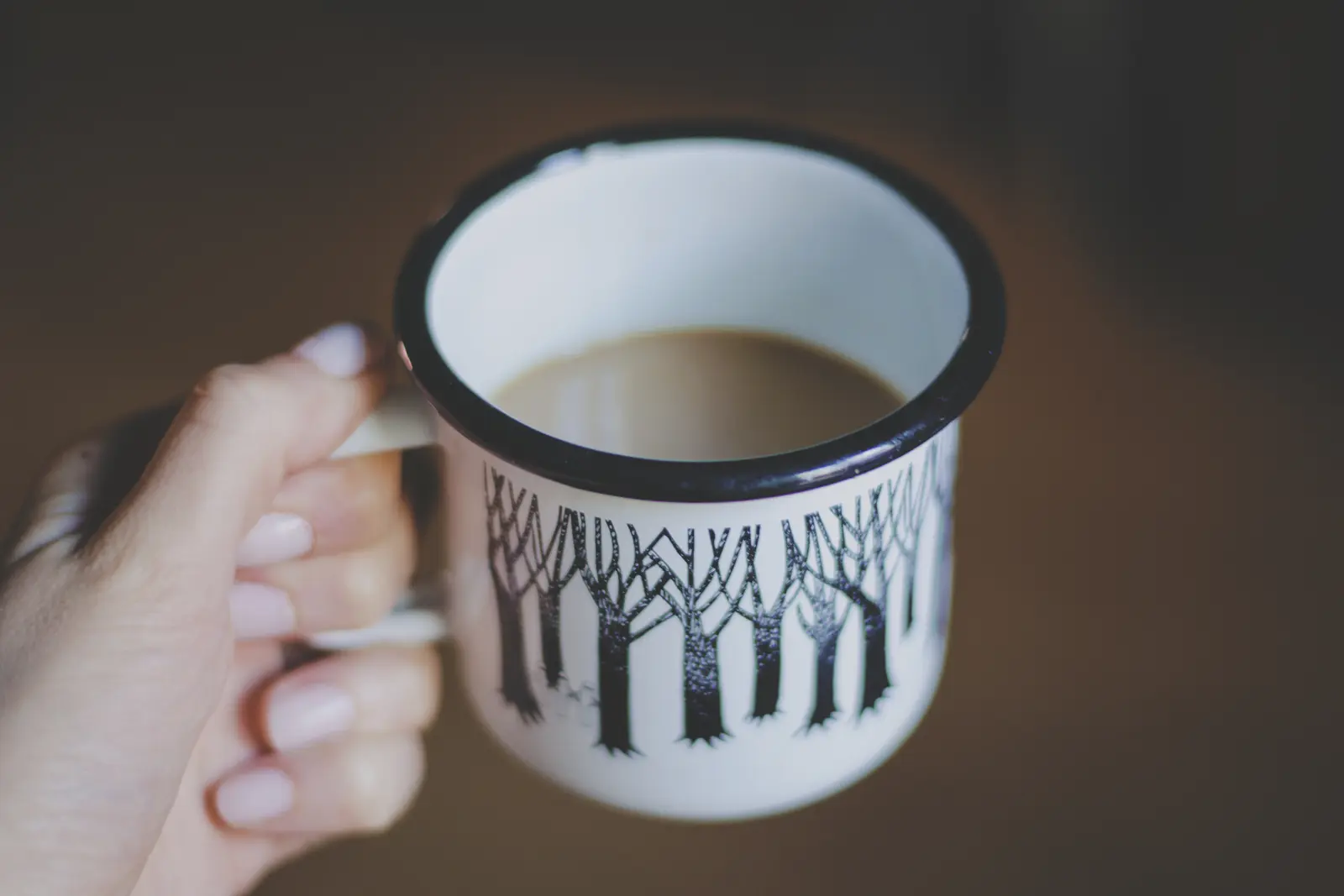
Black and green tea contain caffeine, with the amount varying by leaves, brewing time and serving size. EFSA considers up to 400 milligrams per day from all sources generally safe for healthy non-pregnant adults. During pregnancy, the reference level is lower at up to 200 milligrams a day.
Sleep and individual response
Around 100 milligrams close to bedtime can affect sleep in some people. Restlessness, palpitations, stomach discomfort or headaches are reasons to review both dose and timing. Children, adolescents and people with certain health conditions need a separate assessment.
Tea is not the same as an extract
A normal cup of green tea is not equivalent to a concentrated supplement. EFSA identified possible liver concerns with high doses of green-tea catechins from supplements, while traditional infusions were assessed differently. Concentrated products should be discussed first in pregnancy, liver disease or regular medication use.
At a glance
- Add caffeine from coffee, tea and energy drinks
- Reduce late intake if sleep is affected
- Treat extracts differently from brewed tea